“Kabarnisan”, a local term referencing the wild
barnis trees that once covered the area. Early hunting parties
from surrounding towns eventually transformed it into a small
settlement named Barrio San Jose in honor of their patron saint,
Saint Joseph. Historically, it existed as an expansive wilderness
barrio under the jurisdiction of Lupao. It achieved full township
status in 1894 under Spanish corporate laws. San Jose underwent a
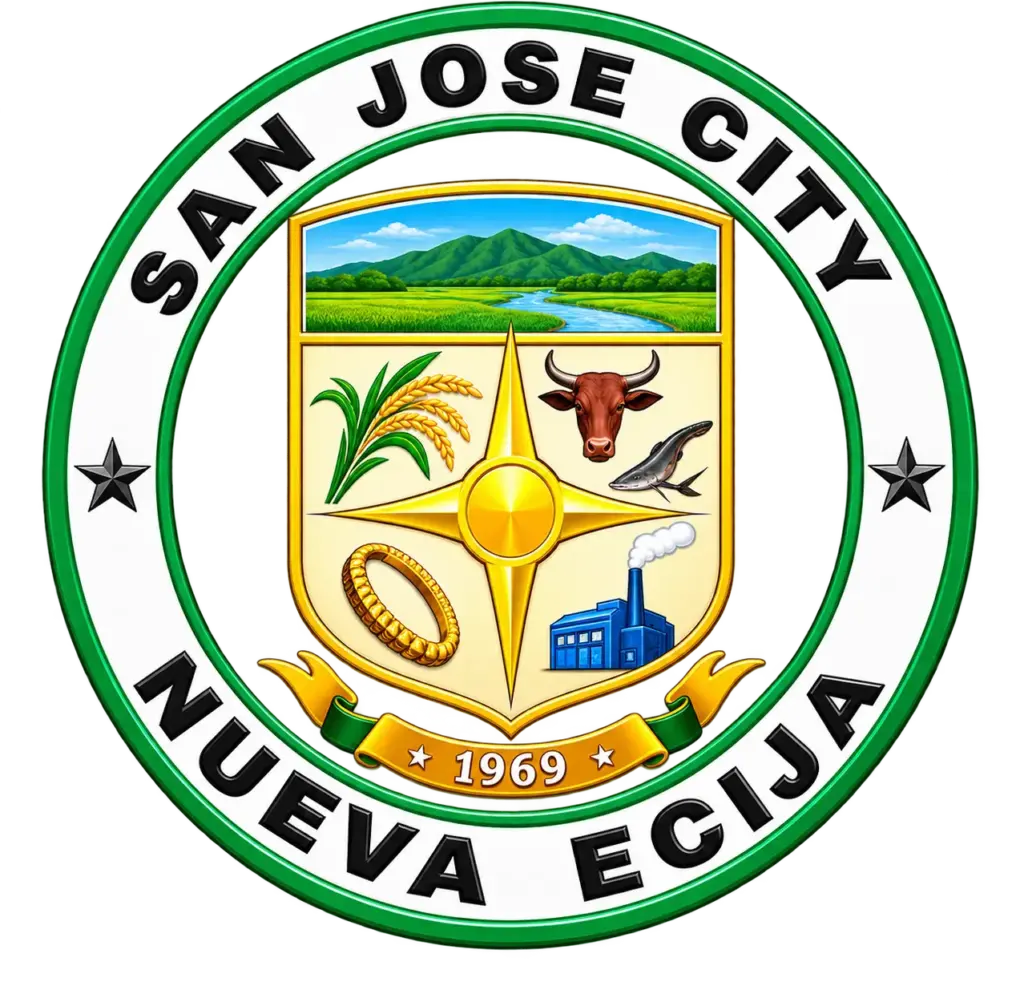
historic transformation when it formally converted into a
component city on August 4, 1969, under Republic Act No. 6051.
San Jose City is strategically tucked in the northernmost
lowlands of Nueva Ecija, acting as a vital gateway to the Cagayan
Valley via the Maharlika Highway. Based on official Philippine
Statistics Authority census data, the city records a bustling
population of 156,714 residents, making it the second most
populous city in the province. It serves as a prime agricultural
trading hub in Central Luzon, widely visited for civic and
religious spots like the St. Joseph Cathedral and
festive public parks. To celebrate its cultural heritage, the city
hosts the vibrant Pagibang Damara Festival every
April—a colorful thanksgiving celebration honoring its historic
agricultural shelters and its standing as a premier producer of
high-yielding rice crops.
Local Officials (2025–2028 Term)
Mayor: Josel “James” F. Violago
Vice Mayor (SB Presiding Officer): Evangel Shalom “Vanj” Manugue
Sangguniang Panlungsod Members (City Councilors):
- Glenda Felimon
- Honey Villena
- Atty. Ronald Hortizuela
- EJ Divina
- Andrei Ignacio
- Doc Oyo Donayre
- Jeni Jeni Salvador
- Manuel Chua Jr.
- Banjo Munar
- Mawie Munsayac